Celebrating Seven Decades of Public Service
For 70 years, JCSD has reliably powered the daily lives of nearly 140,000 customers across Jurupa Valley and Eastvale. What began as a wastewater agency in 1956 quickly evolved alongside the communities it served. After expanding into water service in 1966, JCSD invested in reservoirs, wells, transmission pipelines, and regional wastewater facilities to support continued growth while protecting local water resources.
As neighborhoods expanded, so did the District’s responsibilities. JCSD introduced graffiti abatement, planned new parks and recreation facilities, and used innovative tools to build infrastructure without placing additional costs on existing customers. By the end of the twentieth century, the District had become central to the region’s development.
Now and Then
Building Infrastructure for Generations to Come Since 1956.
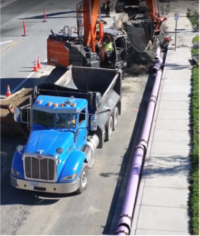
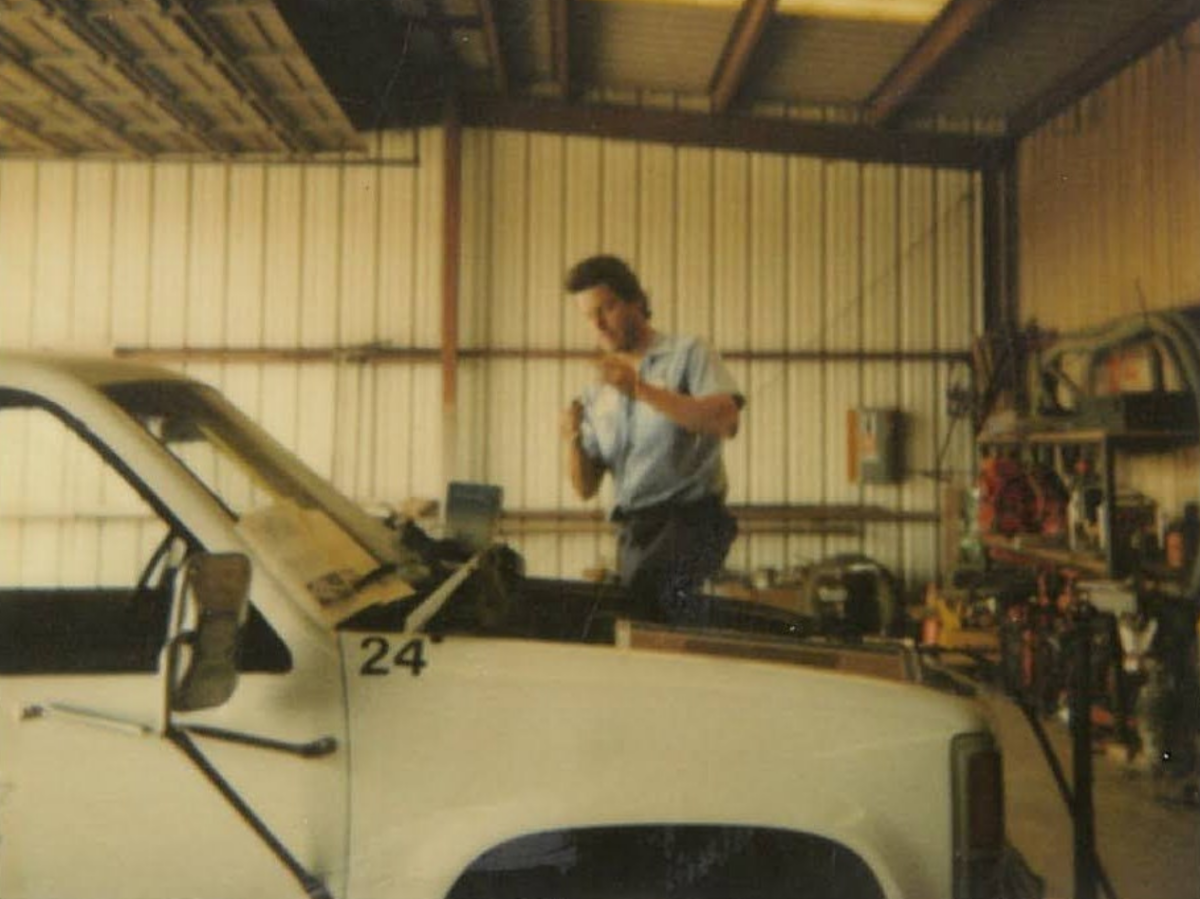
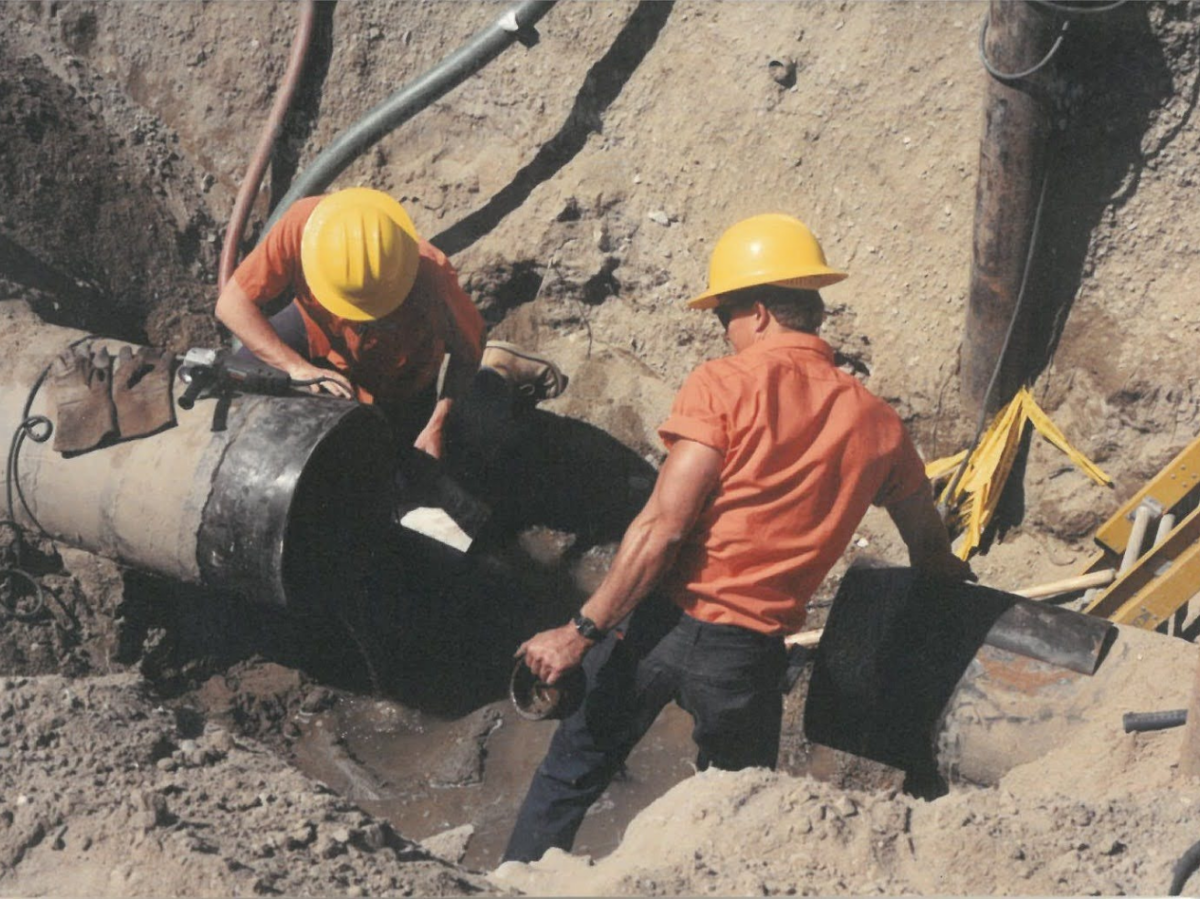
Drag the slider on each photo to reveal JCSD’s transformation over the past 70 years.




Explore JCSD’s Legacy of Service
Pre-1770s
The Tongva, Serrano, Cahuilla, and Luiseño peoples steward local springs, streams, and groundwater. “Jurupa” originates from a Tongva word for California Sagebrush.
1893
Riverside County is established. Early records identify East Vale as one of its first school districts.
Early 1900s
Citrus groves, dairies, and vineyards flourish. Major milestones include the 1902 railroad Rainbow Bridge, the founding of Pedley (1903), and the founding of Glen Avon Heights (1909).

1952
Southern California’s postwar population boom began pushing development eastward into Riverside County. Agricultural communities were increasingly confronting the infrastructure demands that came with new homes and population growth.
1956
Jurupa Community Services District (JCSD) is established in July 1956, with its first Board Meeting taking place in October of that year. JCSD was initially created to build a public sewer system and replace failing septic systems.

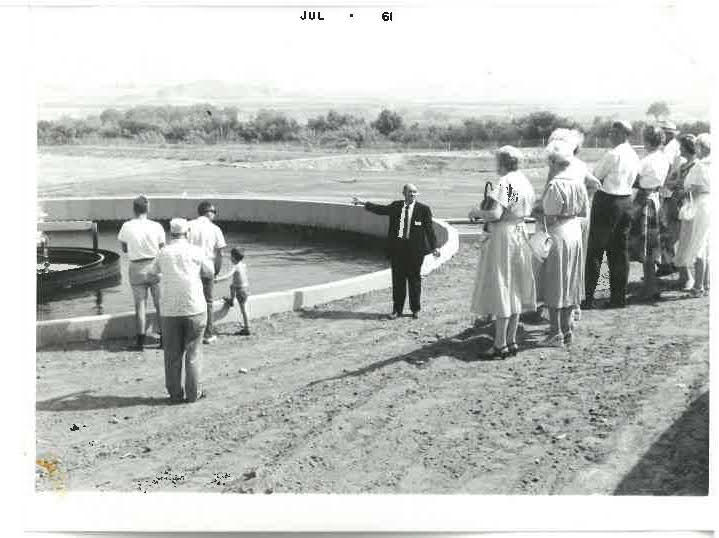
1960
JCSD’s first General Manager Lloyd W. Lavvorn presenting new sewer infrastructure to staff and community members.
1966
JCSD expands into water service by acquiring local water companies. Volunteers create the first parks and recreation plan, including a baseball field and picnic area.
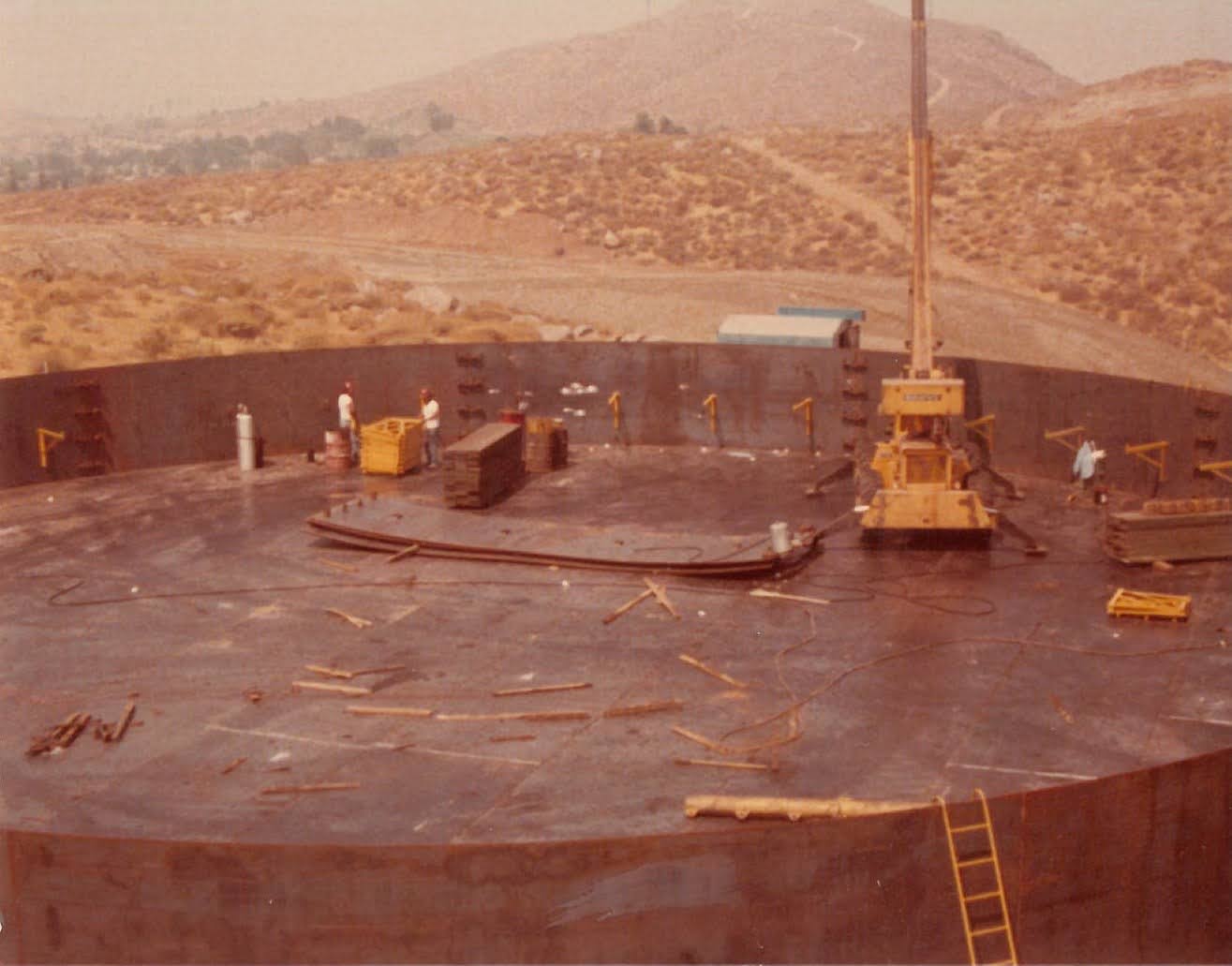
1972
JCSD partners with Rubidoux Community Services District and the City of Riverside to connect wastewater systems to a regional treatment facility, protecting the Santa Ana River watershed.
1979
A major infrastructure expansion adds reservoirs, transmission pipelines, groundwater wells, and a regional booster pumping station.
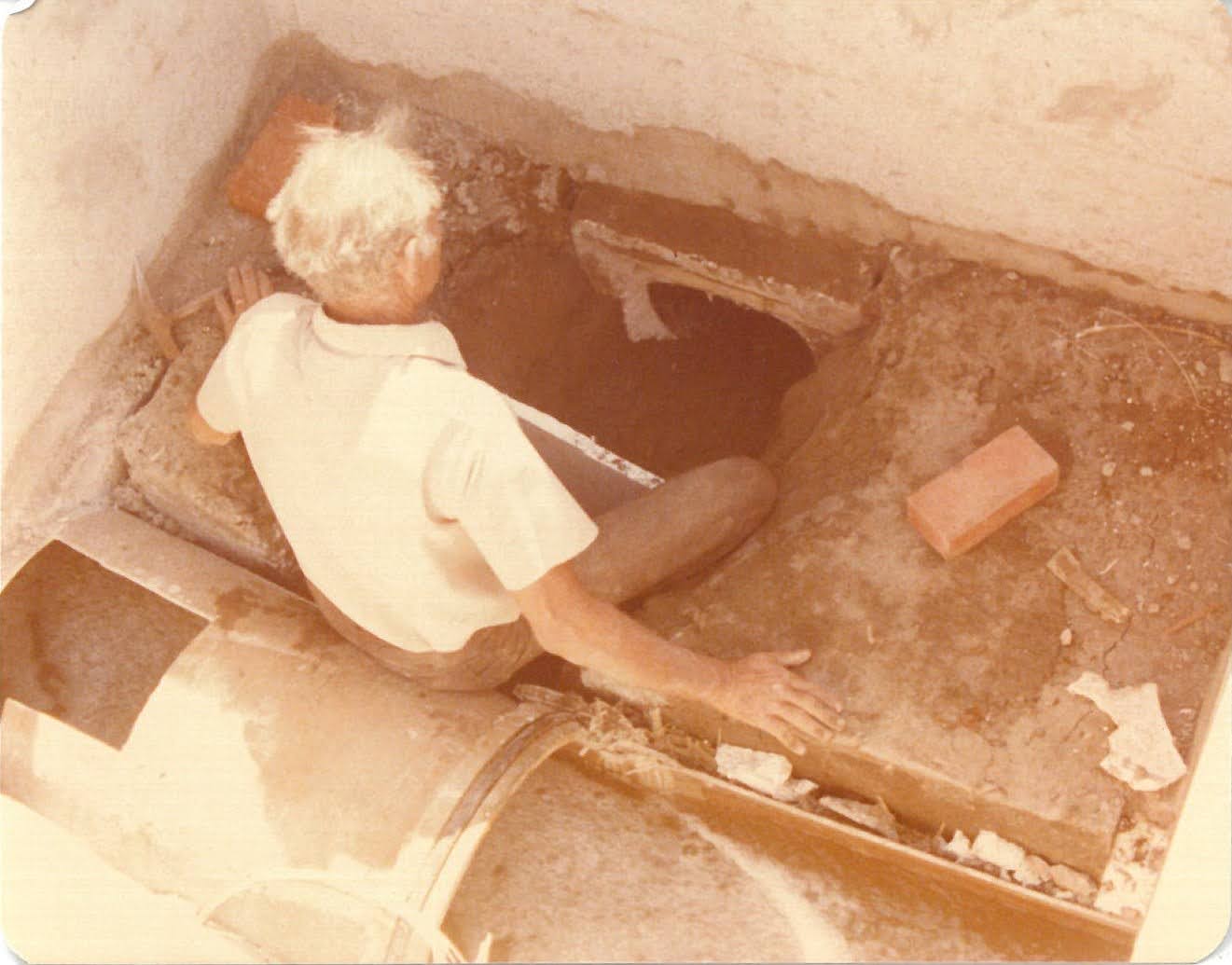
1986
JCSD creates Community Facilities District No. 1, using public financing to support water, sewer, and street improvements across 1,900 acres of rapid development.
1992
CFD No. 1 expands to nearly 3,000 acres. JCSD launches its Graffiti Abatement Program to enhance community appearance.

1996
JCSD adopts a Parks, Recreation, and Open Space Master Plan to guide future community amenities in Eastvale.
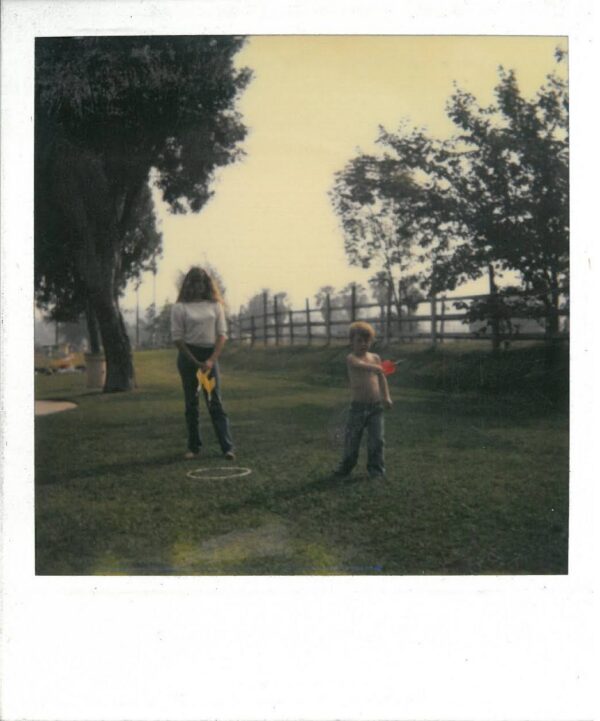
1998
The Western Riverside County Regional Wastewater Authority’s Wastewater Treatment Plant is constructed as a regional facility governed by a five-agency joint powers authority, with JCSD serving as its largest member agency.
2002
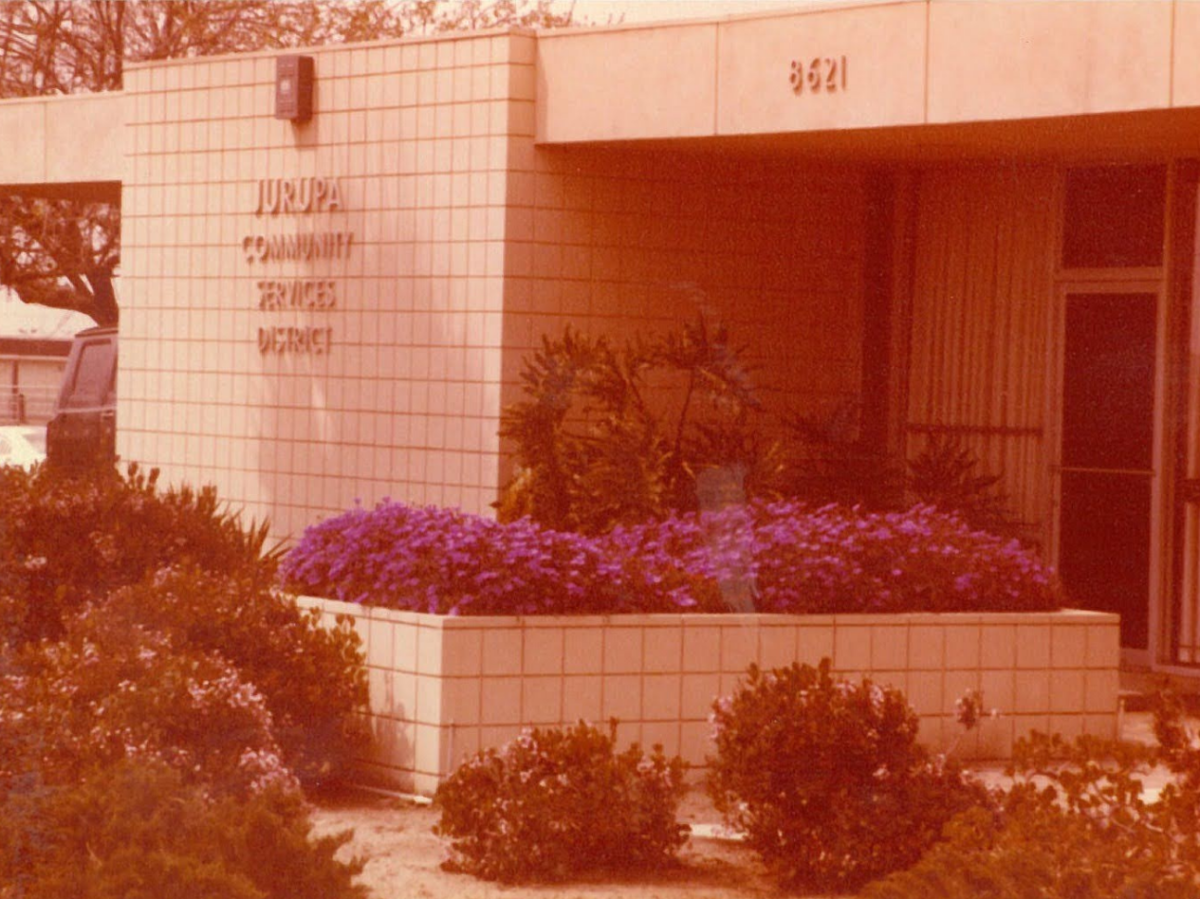
JCSD moves its growing workforce into its current headquarters building on Harrel Street.
2003
JCSD formally expands operations to provide parks and recreation services to what would become the Eastvale community.
2004
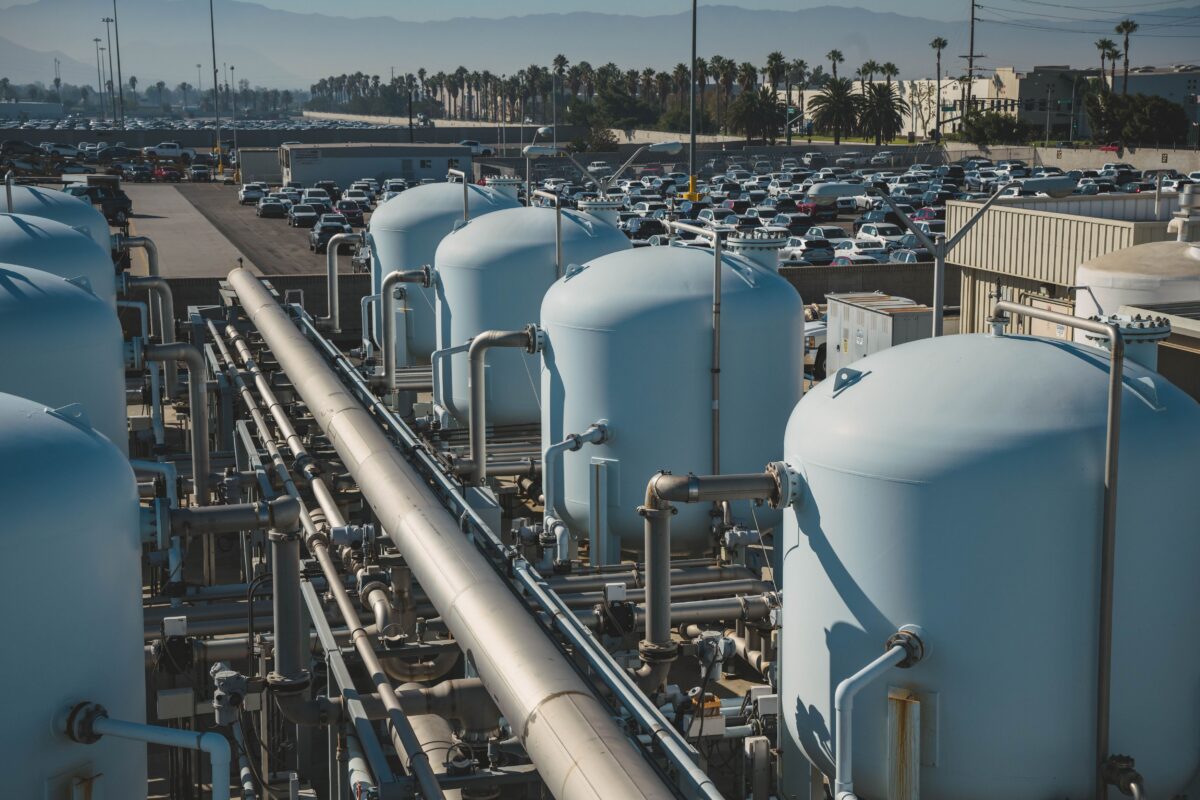
JCSD’s Roger D. Teagarden Ion Exchange Treatment Plant begins operation, providing advanced treatment to improve the quality and reliability of JCSD’s groundwater supplies.
2005
The annual “Picnic in the Park” event is established. JCSD later assumes leadership of the gathering, which now welcomes over 20,000 visitors every year.
2006
The Chino Desalter Authority’s Chino II Desalter began operation, with JCSD managing the advanced treatment facility that uses reverse osmosis and other processes to produce up to 23 million gallons of drinking water per day.
2010
Eastvale officially incorporates as a city, transforming from an agricultural and dairy community into a master-planned city.
2011
Jurupa Valley officially incorporates as a city, bringing together several longstanding communities under one municipality while preserving the area’s distinct local character and history.
2011
The beautiful Eastvale Community Center opens its doors, drastically expanding local recreation, class offerings, and community meeting spaces.
2015
JCSD achieves national prestige by earning formal accreditation through the Commission for Accreditation of Park and Recreation Agencies (CAPRA).
2017
Managed by JCSD, the Chino Desalter Authority’s Concentrate Reduction Facility began operation, increasing water recovery to as high as 95 percent while reducing brine and increasing drinking water production.
2020-2026
JCSD is repeatedly honored as a Top Workplace in the Inland Empire, later recognized nationally as a US News Top Work Place.