–
Understanding Lead and Copper
Lead and copper are elements that can be found in drinking water, primarily due to the corrosion of older household plumbing systems. At the Jurupa Community Services District, we are committed to ensuring that your water meets all safety and quality standards.
JCSD’s Commitment to Water Safety
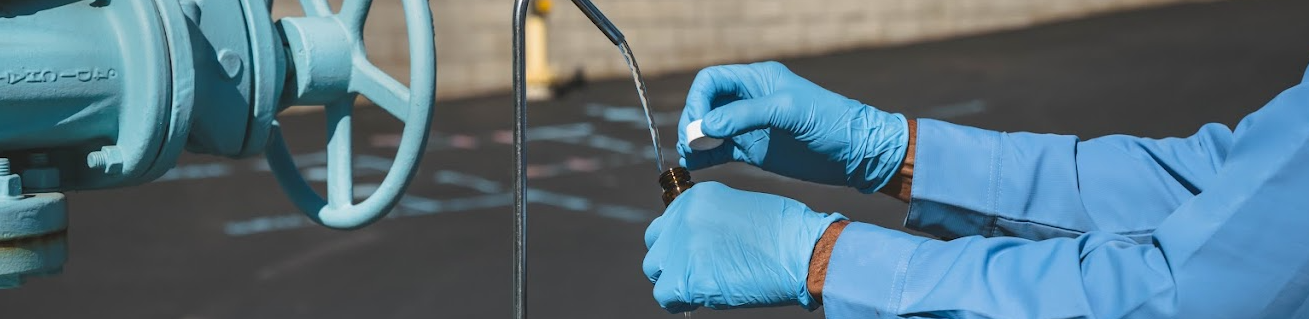
For decades, JCSD has monitored the levels of lead and copper in our drinking water, adhering to stringent regulations set forth by the Environmental Protection Agency (EPA) since they were established in 1991. Our proactive approach ensures that our water quality not only meets but often exceeds federal safety standards, providing you with the highest level of confidence in the water you consume every day.
How Do Lead and Copper Enter Drinking Water?
Lead can enter drinking water when plumbing materials that contain lead corrode, especially where the water has high acidity or low mineral content that corrodes pipes and fixtures. The most common sources of lead in drinking water are lead pipes, faucets, and fixtures. In homes with lead pipes that connect the home to the water main, also known as lead services lines, these pipes are typically the most significant source of lead in the water. Lead pipes are more likely to be found in older cities and homes built before 1986. Among homes without lead service lines, the most common problem is with brass or chrome-plated brass faucets and plumbing with lead solder.

Health Implications and Safety Standards
The EPA has set action levels of 15 parts per billion (ppb) for lead and 1.3 parts per million (ppm) for copper to protect public health. This means utilities, such as JCSD, must ensure that water from the customer’s tap does not exceed this level in at least 90% of the homes sampled (90th percentile value). JCSD regularly monitors the water supply to ensure these levels are not exceeded and implements corrosion control measures to maintain the integrity of your water.